
Objective
This article helps Egypt’s HoReCa sector – hotels, restaurants, cafés, and catering companies identify the key factors that define a reliable palm oil distributor. It explains how to evaluate quality, certifications, heat stability, packaging, pricing, and supply-chain capabilities, guiding buyers toward distributors who provide consistent, export-grade palm oil suitable for Egypt’s climate and high-volume food operations.

A Complete Palm Oil Buyer’s Guide for Hotels, Restaurants & Food-Service Operators
Palm oil is one of the most important ingredients in Egypt’s HoReCa industry. Whether it’s deep frying in fast-food outlets, sautéing in restaurants, dough preparation in bakeries, or bulk cooking in hotels and catering businesses, palm oil is used daily in large volumes. With the growing demand for stable, clean, and cost-efficient edible oils, choosing the right palm oil distributor has become essential for both quality and profitability.
Egypt’s climate and food consumption patterns require palm oil that performs consistently under high temperatures, has a long shelf life, and meets strict food-grade certifications. This is why selecting a reliable distributor-one who maintains high-quality standards, offers technical documentation, and provides timely delivery is crucial for every HoReCa operator.
This guide outlines the key factors Egyptian buyers should consider and explains how to identify a distributor capable of delivering the same level of quality and reliability that top international suppliers are known for.
Understanding the Palm Oil Needs of HoReCa Businesses in Egypt
Hotels, restaurants, cafés, and catering companies operate in diverse culinary environments, from high-heat frying to bulk cooking and continuous production cycles. Their palm oil requirements must satisfy:
- Stable performance at high temperatures
- Consistent color, aroma, and viscosity
- Clean frying results with minimal foaming
- Long holding life in fryers
- Resistance to oxidation in Egypt’s warm climate
- Affordable pricing for high-volume consumption
- Reliable supply to avoid operational disruption
The right palm oil distributor must deliver a grade of palm oil capable of meeting these challenges daily.
Key Qualities to Look for in a Reliable Palm Oil Distributor
A distributor’s performance directly influences your food quality, cost control, and operational efficiency. The following attributes define a trusted supplier attributes associated with leading international exporters serving the Egyptian market:
- Consistent refining quality
- Halal-certified production
- Food-grade documentation
- High heat stability
- Fast and reliable delivery
- Flexible packaging solutions
- Transparent pricing and long-term supply agreements
Importance of Halal-Certified and Food-Grade Palm Oil for HoReCa
Halal compliance is essential in Egypt, where food safety and religious guidelines are top priorities. A credible palm oil distributor must provide:
- Halal certificates from recognized authorities
- Batch-to-batch traceability
- COA (Certificate of Analysis)
- MSDS (Material Safety Data Sheet)
- Origin certificates
Distributors aligned with global producers maintain strict Halal and hygiene control throughout production, reinforcing buyer trust and regulatory compliance.
Checking the Quality and Consistency of Palm Oil before Choosing a Supplier
Quality palm oil is defined by purity, clarity, color stability, moisture content, and free fatty acid (FFA) levels. Egyptian HoReCa buyers should consider:
- Neutral aroma and taste
- Bright, clean appearance
- Low FFA for longer frying life
- Resistance to oxidation
- Consistency across shipments
Top-tier suppliers refine palm oil using advanced processes that ensure stability and consistent performance—critical for restaurants and hotels operating long frying cycles.
Why Heat-Stable and Oxidation-Resistant Palm Oil Is Essential for Egyptian Kitchens
Egypt’s warm climate intensifies the need for oils that can withstand high temperatures without breaking down. Heat-stable palm oil offers:
- Low foaming
- Longer-lasting oil in commercial fryers
- Better performance during continuous cooking
- Lower operational costs due to reduced oil degradation
Distributors who supply climate-stable palm oil typically from leading UAE exporters help HoReCa businesses maintain superior frying performance.
Evaluating the Distributor’s Supply Chain and Delivery Capabilities across Egypt
HoReCa operations cannot afford delays or stock shortages. A dependable distributor must offer:
- Strong export capabilities
- Efficient customs handling
- Regular shipments to Egypt
- Delivery options to Cairo, Giza, Alexandria, Suez, and Upper Egypt
- Stock availability for long-term buyers
Well-established distributors backed by international exporters can guarantee reliable, on-time supply.
Packaging Options That Matter for HoReCa Buyers in Egypt
Palm oil distributors should provide packaging formats suitable for commercial-scale consumption:
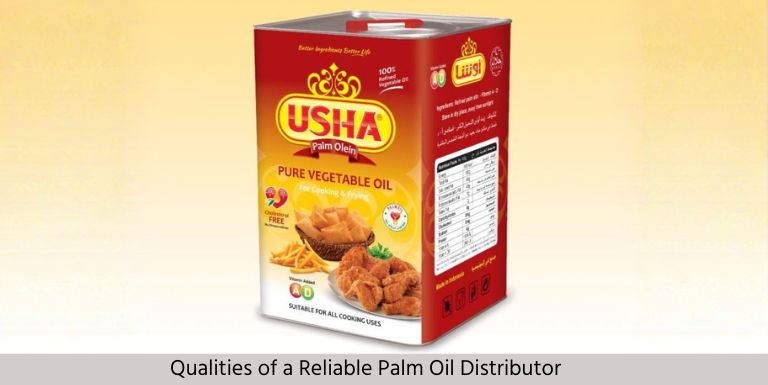
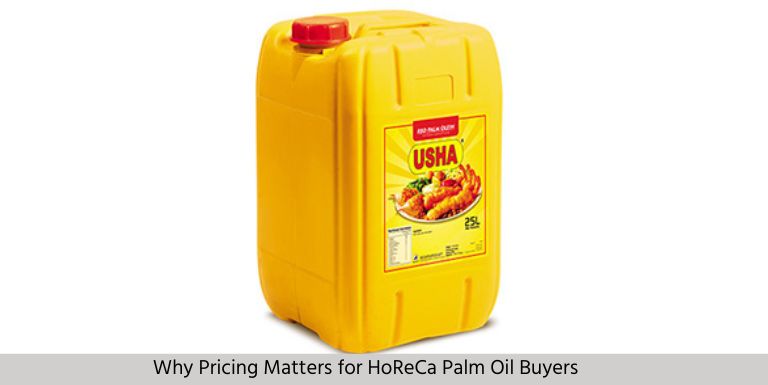
- 15L and 20L tins
- 190kg steel drums
- 1,000L IBC tanks
- Flexi-tanks for large importers
Such flexible packaging options help restaurants, hotels, bakeries, and catering companies optimize their storage and usage.
The Role of Competitive Pricing and Cost Efficiency for HoReCa Operators
Pricing affects profitability. The right distributor should offer:
- Stable long-term pricing
- Volume discounts
- High-yield palm oil that lasts longer in fryers
- Low-wastage refining quality
Distributors connected with reputable international manufacturers often provide more predictable pricing and cost efficiency than local intermediaries.
How Technical Support and Documentation Strengthen Supplier Reliability
Professional distributors offer:
- Technical guidance
- Usage and storage recommendations
- Safety and compliance documents
- Batch certificates and analytics
This level of support reflects the reliability of globally recognized suppliers.
Benefits of Direct Import or Working with an International Distributor
Partnering directly with an international distributor or exporter offers:
- Guaranteed authenticity
- Fresh, high-quality product
- Lower risk of adulteration
- Better documentation and compliance
- Cost-effective bulk import options
These advantages parallel what Egyptian buyers experience when working with established UAE-based palm oil exporters.

Red Flags to Avoid When Selecting a Palm Oil Distributor
Avoid suppliers who show signs of:
- Lack of Halal certification
- Inconsistent or unclear pricing
- Poor or irregular stock availability
- Incomplete documentation
- Product instability or off-flavor
- No traceability or origin transparency
These issues may lead to operational disruptions and quality concerns.
Final Checklist: What Defines a Trusted Palm Oil Distributor for Egypt’s HoReCa Market
A dependable distributor is defined by:
- Verified Halal & food safety certification
- High-quality, heat-stable palm oil
- Transparent, predictable pricing
- Strong logistics network
- Flexible packaging
- Professional documentation
- Reliable supply for long-term contracts
Distributors mirroring these characteristics provide the level of service and consistency Egypt’s HoReCa sector requires.
Conclusion: Choosing a Distributor That Supports HoReCa Growth, Quality & Reliability
Choosing the right palm oil distributor can significantly impact food quality, customer satisfaction, kitchen efficiency, and operational cost for HoReCa businesses. By prioritizing reliable supply, strong certification standards, climate-stable oil, and professional documentation, Egyptian buyers ensure smooth operations and better long-term performance.
Working with distributors supported by reputable international exporters guarantees consistent product quality, dependable logistics, and competitive pricing – key factors that help hotels, restaurants, cafés, and catering companies maintain excellence in their offerings.
FAQs
What qualities should HoReCa buyers look for in a palm oil distributor?
Look for Halal certification, high heat stability, consistent refining quality, reliable delivery, competitive pricing, and complete documentation.
Why is heat-stable palm oil essential in Egypt?
Egypt’s warm climate requires oils that resist oxidation, foaming, and breakdown during high-heat frying and continuous cooking cycles.
Are international exporters more reliable for palm oil supply?
Yes. They ensure higher product consistency, stronger logistics, better documentation, and a reliable year-round supply for HoReCa businesses.
What packaging sizes are best for HoReCa?
Common formats include 15L and 20L tins, 190kg drums, IBC tanks, and flexi-tanks for bulk importers.
How can buyers verify the quality and safety of palm oil?
Request COA, MSDS, Halal certificates, origin documents, and batch test reports from the distributor.
Why is supply reliability more important than price alone?
Unreliable supply disrupts operations, reduces food quality, and increases long-term costs. A consistent supplier supports stable business growth.
Author Bio

Sales Manager
Muhammad Usman, Sales Manager at Usha Edible Oil, combines years of industry experience with a strong focus on customer relationships. His expertise ensures that Usha Edible Oil delivers high-quality products, including RBD Palm Oil (CP6, CP8 and CP10), RBD Coconut Oil, Specialty Fats, Vegetable Shortening, Vegetable Ghee, and Margarine, to meet the diverse needs of global markets.
With a commitment to excellence, Muhammad continues to lead Usha Edible Oil in providing innovative and reliable vegetable oils, specialty fats, vegetable shortening, vegetable ghee, margarine export to various countries worldwide including Saudi Arabia, United Arab Emirates (UAE), Egypt, Syria, Qatar, Kuwait, Oman, Bahrain, Yemen, Iraq, Iran, Jordan, Lebanon, Palestine, Turkey, Sudan, solidifying its position as a trusted manufacturer, exporter, and wholesale supplier in the food industry.