
Objective
This article guides Egyptian households, HoReCa operators, food manufacturers, wholesalers, and importers in choosing safe, high-quality refined cooking oil by understanding the certifications that truly matter. It explains the importance of Halal, HACCP, and RSPO certifications, why they represent the highest standards in food safety and sustainability, and how buyers can use these certifications to identify trusted suppliers offering export-grade refined oil suitable for Egypt’s culinary, industrial, and climate conditions.
Introduction: Why Certifications Matter When Buying Refined Cooking Oil in Egypt
Refined cooking oil is one of the most widely consumed ingredients in Egypt, used in homes, bakeries, restaurants, fast-food chains, catering companies, and large-scale food manufacturers. With the increasing demand for high-quality, clean, and safe edible oils, certifications have become essential indicators of trust and compliance. In an evolving market where cheap or low-quality oils still circulate, certifications help Egyptian buyers differentiate between genuinely safe, properly refined oils and products that fail to meet food-grade standards.
Egypt’s climate, high-temperature cooking methods, and growing HoReCa sector require refined oils that deliver stability, purity, and safety. Certifications such as Halal, HACCP, and RSPO ensure that the cooking oil you purchase is responsibly manufactured, safe for consumption, and compliant with both local expectations and international standards.
This article outlines the key certifications to look for when buying refined cooking oil in Egypt and explains why these certifications play such a major role in choosing a trustworthy supplier.

Halal Certification: The Most Essential Requirement for Cooking Oil in Egypt
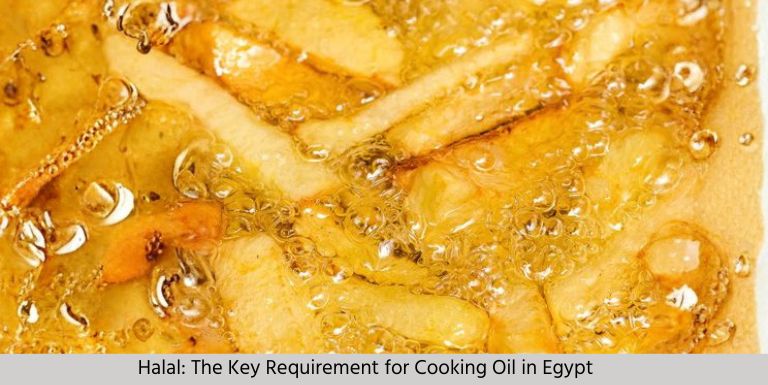
Halal certification is one of the most important indicators of refined vegetable cooking oil quality in Egypt. Since the majority of consumers follow Halal dietary practices, any cooking oil must fully align with Islamic guidelines to be accepted in households and the food-service sector.
A Halal-certified refined oil ensures:
- Absolutely no animal-based or non-Halal ingredients
- Manufacturing processes free from contamination or cross-contact
- Approved handling, storage, and refining methods
- Compliance with both religious and safety standards
- Acceptance for use in restaurants, hotels, cafés, and FMCG manufacturing
When cooking oil is Halal-certified, buyers can trust its purity and suitability for Egypt’s food culture. For businesses such as bakeries, restaurants, sweet shops, and catering companies, Halal-certified oil is essential for customer confidence and market acceptance.
Always check that the Halal certification comes from a recognized and legitimate authority. A supplier who prioritizes Halal compliance is almost always a supplier who prioritizes quality.
HACCP Certification: Ensuring Food Safety in Every Batch of Refined Oil
While Halal certification focuses on permissible ingredients and clean processes, HACCP (Hazard Analysis & Critical Control Points) focuses on safety, hygiene, and contamination control throughout production. Cooking oil refined in a HACCP-certified facility means that every stage-from raw material handling to refining, packaging, and storage—is monitored for potential risks.
A supplier offering HACCP-certified cooking oil guarantees:
- Systematic prevention of contamination
- Strict hygiene control during refining
- Monitoring of temperature, moisture, and impurity levels
- Food safety compliance recognized internationally
- Better shelf-stability and oxidation resistance
- Consistency in every batch shipped
HACCP certification is especially important for the HoReCa industry and food manufacturers in Egypt. Restaurants, hotels, cafés, and industrial kitchens rely on refined oil that performs safely under high-heat conditions and maintains purity across multiple usage cycles.
Egypt’s warm climate makes food safety more challenging, increasing the importance of choosing a HACCP-certified supplier that guarantees a stable, contamination-free oil.
RSPO Certification: Why RBD Palm Oil Matters for Egyptian Buyers
RSPO (Roundtable on Sustainable Palm Oil) certification ensures that the palm oil used in refined cooking oil comes from responsibly managed sources. This certification is increasingly important for:
- Importers
- Retail brands
- FMCG manufacturers
- Export-oriented food businesses
- Environmentally conscious restaurants and hotels
RSPO-certified palm oil guarantees:
- Ethical and sustainable sourcing
- No environmental harm during cultivation
- Traceable, responsibly processed raw materials
- Compliance with global sustainability guidelines
Egypt’s largest food manufacturers and exporters prefer RSPO-certified oils because they align with international sustainability expectations-important when exporting sweets, snacks, bakery goods, or ready-made foods to Europe, Africa, or Gulf markets.
For HoReCa operators, RSPO-certified refined oil adds value to their brand positioning and supports hospitality groups that prioritize responsible sourcing.
How Certified Cooking Oil Guarantees Purity, Safety & Consistency
Choosing cooking oil with Halal, HACCP, and RSPO certifications ensures buyers receive a professionally refined, clean, and stable product. Certified oil offers multiple benefits:
- Safer for high-temperature frying
- Lower impurity levels
- Better oxidation resistance
- Longer shelf-life
- No off-odors or unusual coloration
- Consistent performance in commercial kitchens
Certified oil also offers better cost efficiency since high-quality oil can be used multiple times in professional fryers without breaking down.
For Egyptian businesses especially HoReCa and FMCG-this translates to:
- Lower consumption
- Reduced wastage
- More consistent flavor in food
- Healthier cooking outcomes
What Halal, HACCP & RSPO Certifications Reveal About a Supplier
When a best cooking oil supplier offers all three certifications, it demonstrates:
- Commitment to global food safety
- Qualified and controlled refining processes
- Clean and ethically responsible sourcing
- High-grade technical capabilities
- Export-grade production standards
- Trustworthiness in long-term supply contracts
Suppliers with these certifications typically serve:
- Hotels
- Restaurants
- Bakeries
- Large kitchen facilities
- Industrial food manufacturers
- Retail distributors
- Export-oriented food brands
This reflects the level of reliability Egypt’s cooking oil buyers should look for.
Why HoReCa and Food Manufacturers in Egypt Must Prioritize Certified Cooking Oil
Egypt’s food-service industry runs heavily on deep frying and high-heat cooking. Cheap or uncertified oils can lead to:
- Faster degradation during frying
- Burnt odors
- Increased harmful compounds
- More frequent oil replacement
- Poor food quality
- Customer dissatisfaction
- Potential health risks
Certified oils with stable refining properties reduce these risks and maintain quality.
Hotels, restaurants, cafés, catering companies, bakeries, and large commercial kitchens rely on refined cooking oil daily. Using certified oil is not just a compliance requirement—it’s also a cost-saving strategy and a reputation safeguard.
Risks of Buying Non-Certified or Low-Quality Refined Cooking Oil in Egypt
Non-certified oils may:
- Be adulterated or mixed with low-grade fats
- Contain contaminants
- Perform poorly in heat
- Oxidize faster
- Cause inconsistent frying results
- Raise safety concerns
- Trigger customer complaints
Such oils can also lead to financial loss for businesses due to fast spoilage and frequent replacement.
Choosing a certified supplier protects your operations and brand reliability.
How to Verify Cooking Oil Certifications Before Buying
Before purchasing cooking oil, ask suppliers for:
- Halal certificate (valid and issued by a recognized body)
- HACCP certificate
- RSPO certificate or membership
- COA (Certificate of Analysis)
- Batch number and traceability information
- Compliance with Egypt’s import regulations
A reliable supplier will readily provide this documentation.
If a supplier hesitates or cannot offer certification proof, it is a major red flag.
Why Working with Internationally Certified Exporters Ensures Better Quality
International exporters who hold Halal, HACCP, and RSPO certifications typically offer:
- Consistent global-quality refining
- Better packaging options (tins, drums, IBC tanks, flexi-tanks)
- Stronger logistics and timely delivery
- Transparent documentation
- Premium oil quality suitable for Egypt’s climate
- Reliable support for HoReCa and FMCG
These are the characteristics Egyptian buyers should prioritize when choosing suppliers for long-term operations.

Conclusion: Choosing Certified Refined Cooking Oil for Reliability, Safety & Better Food Quality in Egypt
Buying certified refined cooking oil is essential for ensuring safety, consistency, and high performance in both home and commercial kitchens in Egypt. The certifications that matter most-Halal, HACCP, and RSPO represent purity, food safety, and sustainable sourcing. Whether you operate a restaurant, hotel, catering company, bakery, FMCG factory, or simply want safe oil for household use, choosing a supplier with these certifications guarantees that you are receiving high-quality, professionally refined oil suitable for Egypt’s cooking culture and climate.
Certified oil ensures better frying results, longer shelf life, greater customer satisfaction, and full compliance with Egypt’s food standards. For businesses aiming for reliability and long-term success, certified suppliers remain the smartest and safest choice.
FAQs
Why is Halal certification important for refined cooking oil in Egypt?
Halal certification ensures the oil is produced according to Islamic dietary laws, free from prohibited additives, and suitable for both household and commercial food preparation in Egypt.
What does HACCP certification guarantee in cooking oil?
HACCP certification confirms that the oil has been refined and packaged in a controlled environment with strict food safety monitoring to prevent contamination and maintain purity.
Why should Egyptian buyers look for RSPO-certified oils?
RSPO certification ensures that the cooking oil is sourced responsibly, supporting sustainability and ethical palm oil production-important for manufacturers and HoReCa businesses.
Can uncertified cooking oil be risky to use?
Yes. Uncertified oils may contain impurities, degrade faster during frying, produce harmful compounds, or lack proper food safety controls.
How can buyers verify certifications?
Request documented proof such as Halal certificates, HACCP certificates, RSPO membership, COA, and batch traceability. Reliable suppliers provide these immediately.
Is certified refined oil better for high-heat Egyptian cooking?
Absolutely. Certified oils perform better in high-temperature frying, resist oxidation, and offer consistent quality for professional and home use.
Do certified oils cost more?
Not necessarily. They often reduce total consumption and wastage due to superior performance, making them more cost-efficient long term.
Author Bio

Sales Manager
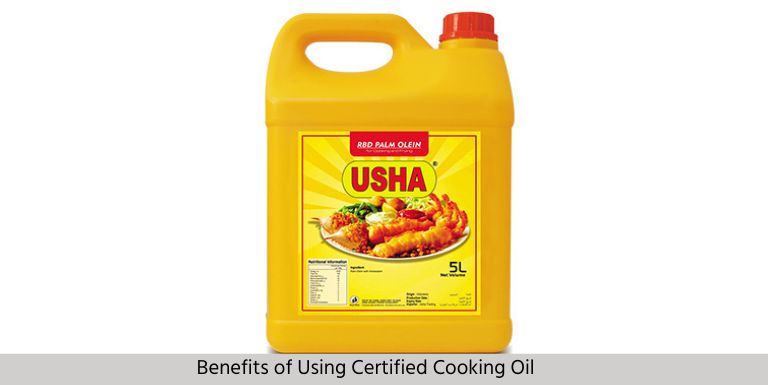
Muhammad Usman, Sales Manager at Usha Edible Oil, combines years of industry experience with a strong focus on customer relationships. His expertise ensures that Usha Edible Oil delivers high-quality products, including RBD Palm Oil (CP6, CP8 and CP10), RBD Coconut Oil, Specialty Fats, Vegetable Shortening, Vegetable Ghee, and Margarine, to meet the diverse needs of global markets.
With a commitment to excellence, Muhammad continues to lead Usha Edible Oil in providing innovative and reliable vegetable oils, specialty fats, vegetable shortening, vegetable ghee, margarine export to various countries worldwide including Saudi Arabia, United Arab Emirates (UAE), Egypt, Syria, Qatar, Kuwait, Oman, Bahrain, Yemen, Iraq, Iran, Jordan, Lebanon, Palestine, Turkey, Sudan, solidifying its position as a trusted manufacturer, exporter, and wholesale supplier in the food industry.